Magnolia Essential Oil
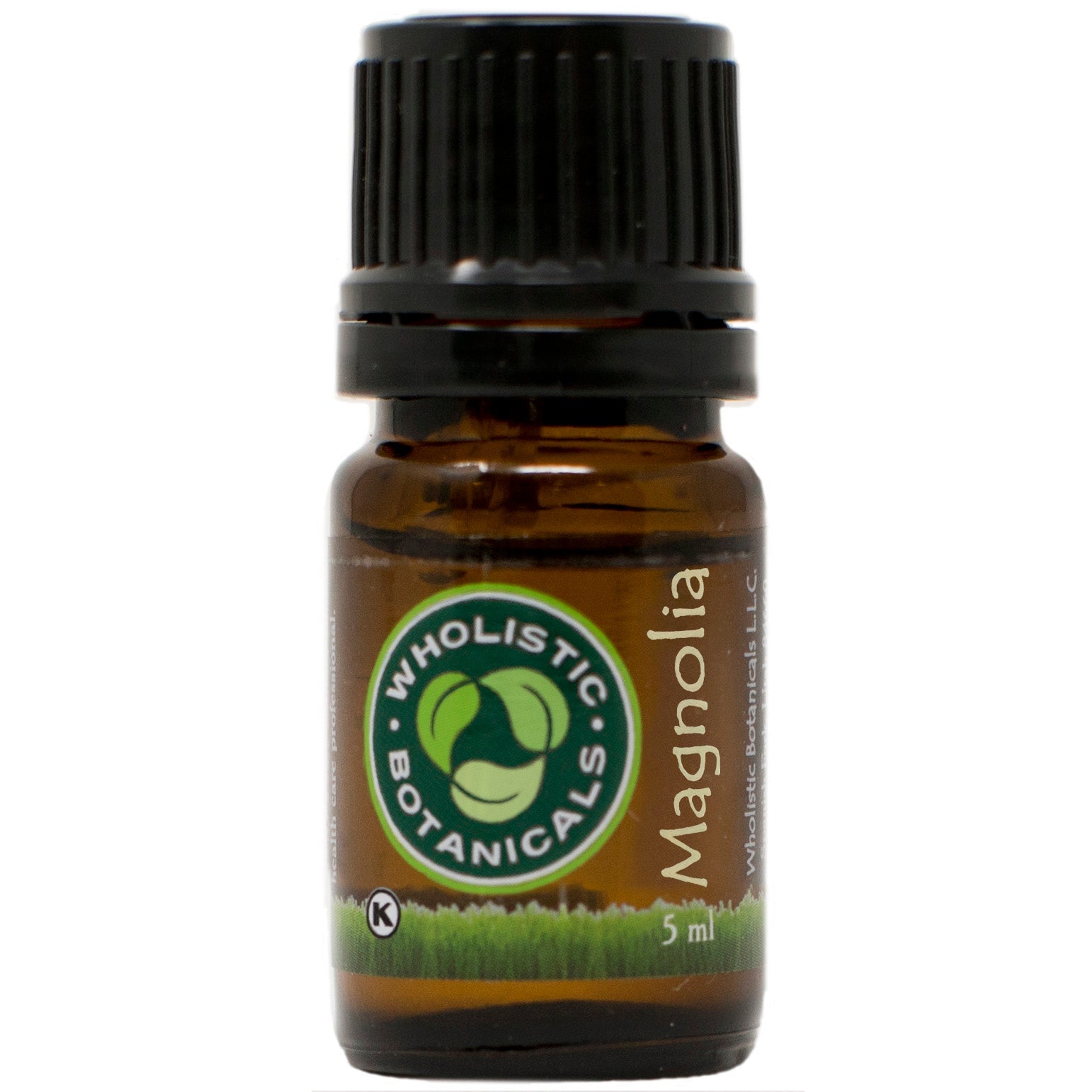
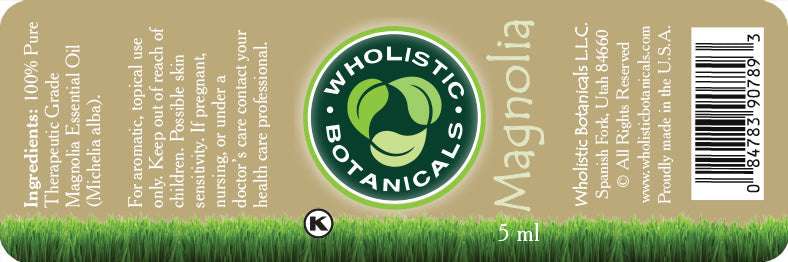

Magnolia Essential Oil is produced by steam distillation of the flowers of Magnolia alba. It has a soft, sweet floral aroma with creamy, citrus-like, and lightly green notes and is generally considered a middle note in aromatic formulations.
Four Primary Constituents and Typical Ranges
- Linalool: approximately 65–85%
- β-Elemene: approximately 2–8%
- β-Caryophyllene: approximately 1–5%
- Geraniol: approximately 1–4%
These are representative natural ranges rather than guaranteed batch values. Composition varies with plant variety or chemotype, growing region, harvest, processing, distillation, storage, and the individual production batch.
Common Uses and Aromatic Properties
This essential oil is commonly used in fine fragrance, calming diffusion, personal inhalers, body oils, and emotionally balancing massage blends. In aromatherapy, it is traditionally valued for calming, uplifting, harmonizing, skin-soothing, and emotionally centering properties. These descriptions refer to customary aromatic and cosmetic use and are not claims that the oil diagnoses, treats, cures, or prevents disease.
Adult Dilution and Use
Use at 0.5–2% for adult topical preparations, equal to approximately 1–4 drops in 10 mL of carrier. Drop measurements are approximate because drop size varies by oil and dispenser. Begin with the lowest effective dilution and perform a patch test before broader use.
Use With Children
May be used cautiously with children age 6 and older at approximately 0.5%, equal to 1 drop in 10 mL. Do not use essential oils routinely with children under age 2 unless directed by a pediatric healthcare professional or qualified clinical aromatherapist. Never place essential oils in or near a child's eyes, nose, mouth, ears, or hands.
Safety Precautions
Magnolia oils sold under the same common name may come from different species or plant parts, so follow the botanical identity on the product label. Patch test before sensitive-skin use. For external and aromatic use only. Do not ingest unless specifically directed by a properly qualified healthcare professional. Avoid the eyes and mucous membranes, keep out of reach of children, and discontinue use if irritation or breathing discomfort occurs.
