Wormwood Essential Oil
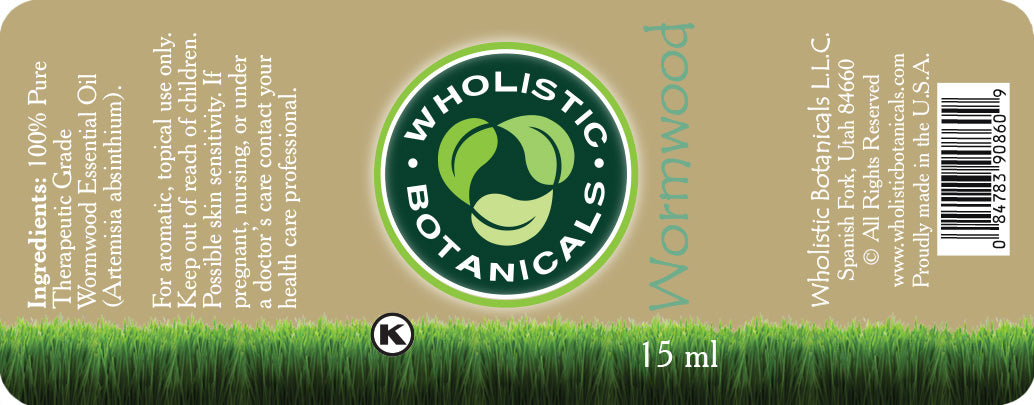

Wormwood Essential Oil is produced by steam distillation of the leaves and flowering tops of Artemisia absinthium. It has a intensely bitter-herbaceous aroma with camphoraceous, green, warm, and penetrating notes and is generally considered a middle note in aromatic formulations.
Four Primary Constituents and Typical Ranges
- β-Thujone: approximately 20–45%
- α-Thujone: approximately 5–25%
- Sabinyl acetate: approximately 5–20%
- Camphor: approximately 2–10%
These are representative natural ranges rather than guaranteed batch values. Composition varies with plant variety or chemotype, growing region, harvest, processing, distillation, storage, and the individual production batch.
Common Uses and Aromatic Properties
This essential oil is commonly used in specialized adult perfumery and highly restricted aromatic formulations under professional guidance. In aromatherapy, it is traditionally valued for stimulating, intensely herbaceous, cleansing, and deodorizing properties. These descriptions refer to customary aromatic and cosmetic use and are not claims that the oil diagnoses, treats, cures, or prevents disease.
Adult Dilution and Use
Routine home topical use is not recommended because thujone content can be high and variable. If professionally formulated, use only at a very low, specifically calculated concentration. Drop measurements are approximate because drop size varies by oil and dispenser. Begin with the lowest effective dilution and perform a patch test before broader use.
Use With Children
Not safe for children. Do not use essential oils routinely with children under age 2 unless directed by a pediatric healthcare professional or qualified clinical aromatherapist. Never place essential oils in or near a child's eyes, nose, mouth, ears, or hands.
Safety Precautions
Avoid during pregnancy and nursing and with epilepsy, seizure disorders, fever, kidney disease, or neurologic conditions. Neurotoxic risk rises with dose and repeated exposure. Never ingest. For external and aromatic use only. Do not ingest unless specifically directed by a properly qualified healthcare professional. Avoid the eyes and mucous membranes, keep out of reach of children, and discontinue use if irritation or breathing discomfort occurs.
